According to a recent study, the prevalence of drunk animals is far greater than previously believed, shedding light on the fascinating relationship between animals and alcohol. Published in Trends in Ecology & Evolution, the research reveals that many fruit-eating and nectar-sipping animals regularly consume ethanol, a type of alcohol produced from sugars found in fruit and grains.
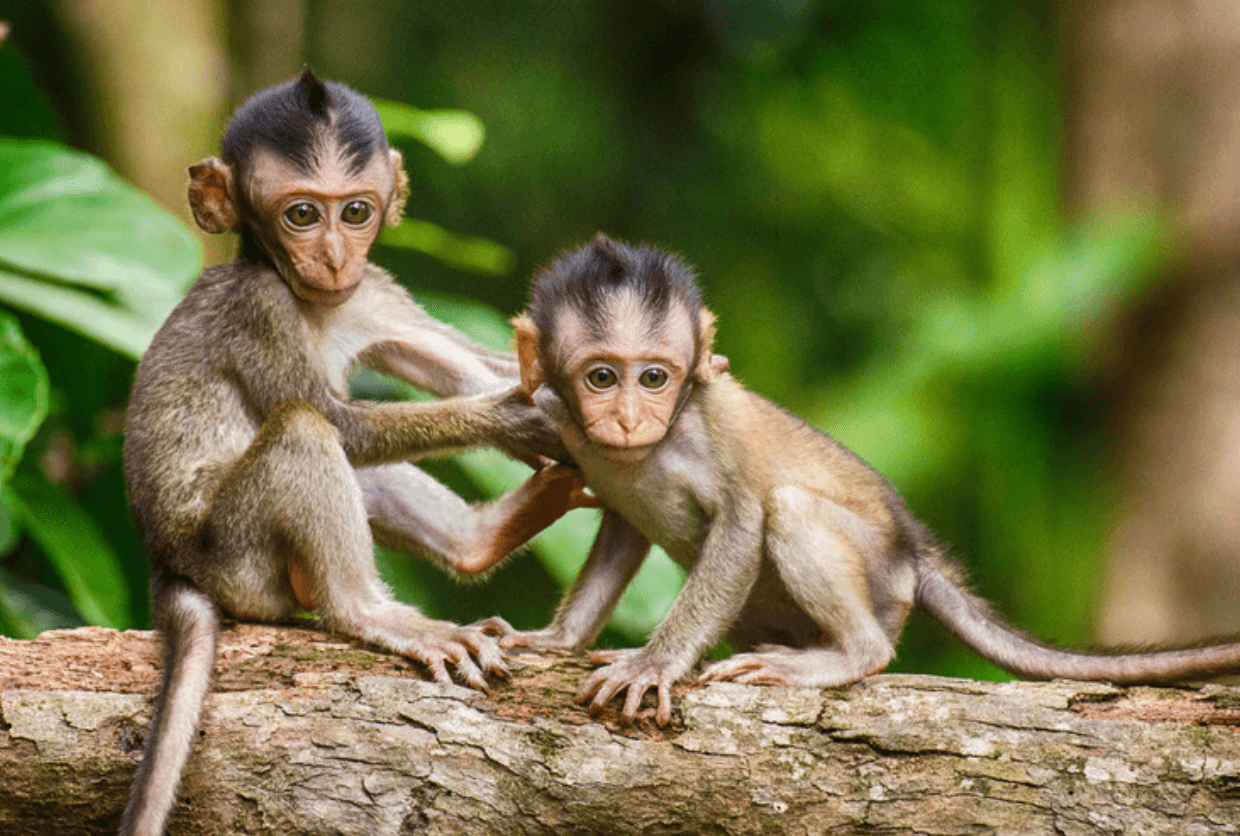
Kimberley Hockings, a senior author and behavioral ecologist at the University of Exeter, emphasized the importance of this discovery, stating that it challenges the human-centric view of ethanol as solely a substance used by humans. She pointed out that ethanol has a long history, dating back millions of years to the time of dinosaurs. As fruit falls from trees and ferments, yeasts convert sugars into ethanol, creating a familiar smell resembling that of beer or wine.
While some fruits in Panama have been found to contain high alcohol levels, most fruits typically have a low alcohol content, ranging from 1 to 2 percent ABV. Despite the seemingly low levels, even a small amount of alcohol can have a significant impact on animals consuming fruit, potentially leading to intoxication and impaired judgment.
Matthew Carrigan, a professor of molecular ecology, highlighted the risks associated with animal intoxication, particularly for those needing to remain vigilant in the face of predators. He also noted the evolutionary differences between humans and animals in their responses to alcohol, with animals prioritizing calories over intoxication.
Animals that consume ethanol have developed the ability to metabolize alcohol without experiencing intoxication, allowing them to benefit from the fruit's nutrients without the risks of getting drunk. This unique adaptation enables them to locate and consume fruit safely, avoiding the dangers of becoming Eaten While Intoxicated.
The researchers also explored the potential benefits of social drinking among animals, suggesting that communal consumption of intoxicating fruits could have social advantages. By activating the endorphin and dopamine systems, ethanol may promote feelings of relaxation and social bonding among animals, similar to the effects seen in humans.
Photographs of primates, including chimpanzees, spider monkeys, and Capuchin monkeys, consuming fruits with intoxicating properties were included in the study, highlighting the prevalence of this behavior in the wild. Anna Bowland, the lead author of the study, stressed the importance of understanding the physiological effects of ethanol on animals in their natural habitats to determine the potential benefits and risks of alcohol consumption.
Overall, the study reveals a complex and intriguing relationship between animals and alcohol, challenging the traditional view of human-centric alcohol consumption. By exploring the prevalence of drunk animals in the wild, researchers gain valuable insights into the evolution, behavior, and social dynamics of animal communities, highlighting the need for further research in this fascinating field.