Paramedics and doctors have a crucial role in providing emergency healthcare to patients. While both professions focus on treating and caring for people in critical situations, there are key differences in their roles, educational requirements, and responsibilities. Understanding these distinctions can help individuals decide which career path to pursue in emergency healthcare.
One of the main differences between paramedics and doctors lies in their educational qualifications. Doctors are required to complete a medical degree approved by the General Medical Council (GMC), which typically takes five to six years to complete. After graduating, doctors must undergo a two-year general training foundation program before they can specialize in a specific area of medicine such as cardiology, surgery, pediatrics, or general medicine. In contrast, paramedics have several pathways to enter the profession. They can earn a Bachelor of Science in paramedic science, paramedicine, or a related field, join an ambulance trust as a student paramedic and complete a degree apprenticeship, or become a paramedic through a level 7 pre-registration course if they are already qualified as an allied health professional, nurse, or midwife. Paramedic training usually takes around four years and includes a combination of theoretical study and practical placements in ambulance services or healthcare facilities.
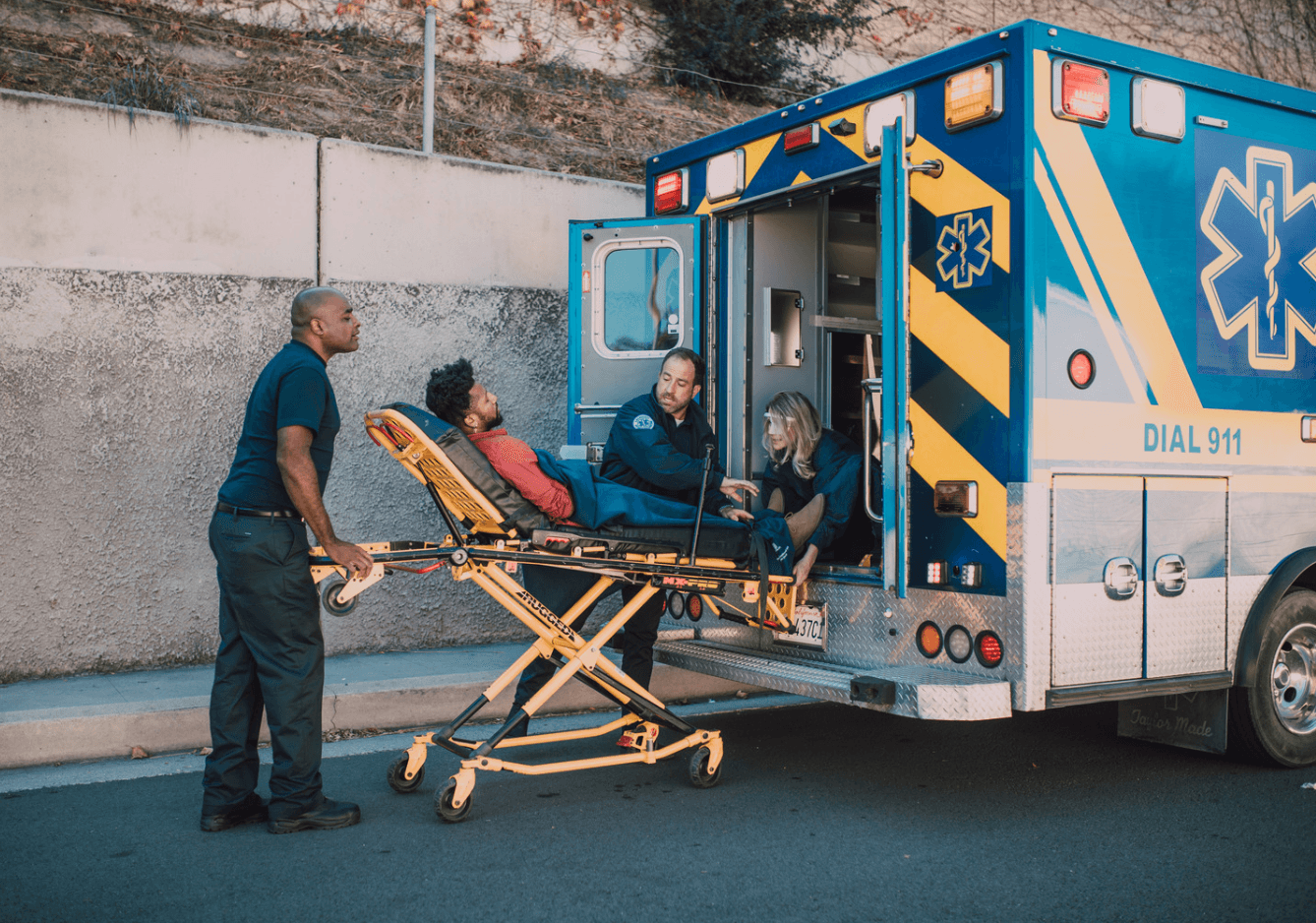
In terms of job responsibilities, paramedics primarily focus on providing emergency care to patients before they reach hospitals. They are trained to deliver basic and advanced medical treatment such as resuscitation, hemorrhage control, IV fluids, CPR, and splinting. Paramedics often work in ambulance crews and respond to accidents, medical emergencies, and other critical situations in various settings such as homes, streets, workplaces, and ambulances. On the other hand, doctors diagnose, manage, and treat diseases and injuries in clinics, hospitals, GP surgeries, and other medical environments. They evaluate patients who arrive with illnesses, accidents, or medical emergencies, order tests and scans, prescribe medications, and refer patients to specialists or other healthcare professionals as needed. Doctors have the authority to make critical decisions about patient care and treatment plans based on their medical expertise and training.
Despite these differences, paramedics and doctors share some similarities in their roles and duties. Both professions require strong communication skills, critical thinking, problem-solving abilities, and the ability to work under pressure in high-stress environments. Paramedics and doctors must also stay updated on the latest advancements in healthcare technology, treatments, and procedures to provide the best possible care to their patients. In emergency situations, paramedics and doctors work together as a team to ensure that patients receive timely and appropriate medical attention and interventions. Collaboration between paramedics and doctors is essential in providing seamless and coordinated care to individuals in critical conditions.
In conclusion, the distinction between paramedics and doctors is important for individuals considering a career in emergency healthcare. While both professions play a vital role in treating and caring for patients in critical situations, there are differences in their educational requirements, job responsibilities, and training pathways. By understanding these distinctions and similarities, individuals can make an informed decision about which profession aligns with their skills, interests, and career goals in emergency healthcare. Whether you choose to become a paramedic or a doctor, both professions offer rewarding opportunities to make a positive impact on the lives of others in times of need.